

What is the use of servo motor bracket
Apr 15, 2025
Leave a message
Purpose of Servo Motor Bracket
The servo motor bracket is a crucial component in a servo motor system, primarily used to secure, support, and position the servo motor to ensure its stable operation and efficient power transmission. Below are the main uses and functions of a servo motor bracket:
Fixing and Supporting the Motor
- Preventing Vibration and Displacement: When a servo motor operates at high speed, it generates vibration and torque. The bracket firmly connects the motor to the equipment, preventing it from shifting or loosening due to vibration and ensuring the motor's stable operation.
- Bearing Loads: The bracket must support the weight of the motor and the dynamic loads during operation to avoid deformation or damage caused by insufficient structural strength.
Transmitting Power and Torque
- Connecting Transmission Components: The bracket acts as the connection point between the motor and the transmission system (such as gears, pulleys, couplings) to ensure the accurate transmission of power and torque.
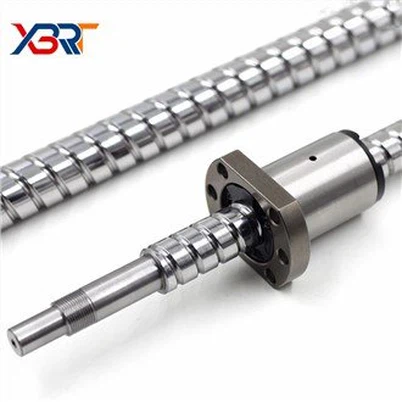
- Example: In CNC machine tools, the servo motor is connected to the ball screw through the bracket to drive the worktable to move accurately.
- Reducing Power Loss: A well - designed bracket can minimize energy loss during the transmission process and improve system efficiency.
Protecting Motors and Equipment
- Isolating Vibration and Shock: Through shock - absorbing designs (such as rubber pads, dampers), the bracket absorbs motor vibration, reducing its impact on other equipment or structures and extending the equipment's lifespan.
- Application Scenario: In automated production lines, the bracket prevents motor vibration from affecting the measurement accuracy of precision sensors.
- Preventing External Interference: The bracket isolates the motor from contact with the external environment (such as dust, liquid) to protect the motor from damage.
Optimizing System Performance
- Improving Positioning Accuracy: The rigidity and stability of the bracket directly affect the motor's positioning accuracy. High - precision brackets can reduce position deviations caused by vibration and improve the overall performance of the system.
- Example: In robot joints, rigid brackets ensure that the servo motor accurately controls the motion trajectory of the robot arm.
- Reducing Noise and Energy Consumption: A properly designed bracket can reduce the noise generated by motor vibration and reduce energy consumption by optimizing the power transmission path.

Adapting to Different Application Scenarios
- Customized Design: Depending on application requirements, the bracket can be designed in different shapes, sizes, and materials (such as aluminum alloy, carbon steel, stainless steel) to adapt to different loads, speeds, and environmental conditions.
- Examples:
- Industrial Robots: High - rigidity brackets are required to withstand the impact of frequent starts and stops.
- Medical Equipment: Lightweight, low - noise brackets are required to meet sterile environment requirements.
- Modular Installation: The bracket can be integrated with sensors, encoders, and other accessories to simplify system integration and improve installation efficiency.